
From platform compliance to high-speed printing solutions—how high-volume sellers scale fulfillment during sudden order spikes.
In the world of TikTok Shop and SHEIN, a single viral video can generate thousands of orders in hours. But most sellers discover a hard truth too late: Traffic is instant, but logistics is not.
When you hit "10,000 orders a day," the bottleneck isn't your inventory—it’s your fulfillment pipeline.
- • Wrong labels lead to costly returns and platform penalties.
- • Blurry barcodes get rejected by SHEIN/TikTok warehouses.
- • Slow printing results in shipping delays and lowered seller scores.

This guide breaks down the latest labeling standards for TikTok Shop and SHEIN, and how to build a high-speed fulfillment system that keeps up with your growth.
TikTok Shop Labeling Rules
TikTok Shop enforces strict logistics standards because its fulfillment promise is tied directly to user experience, meaning even small mistakes can quickly escalate into account risk.
Shipping Labels (Self-Fulfilled)
For seller-fulfilled orders, TikTok Shop generates official shipping labels, typically in the 4×6 inch (100×150mm) format.
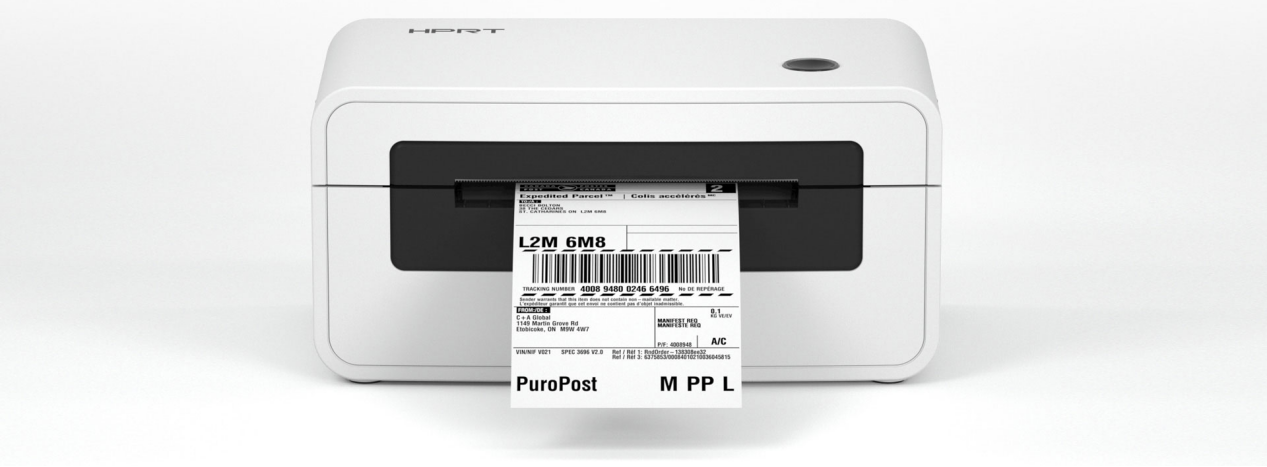
TikTok Shop’s shipping label compliance is strict because barcode scan success directly affects carrier handoff and warehouse processing. TikTok Seller University clearly states that shipping labels must be clear and legible, securely attached to a flat surface, and that barcodes must be easily scannable without folds, wrinkles, or obstructions.
Operational note for cross-border shipping: to reduce smudging, fading, and reprint cycles in high-friction or humid transit conditions, most high-volume sellers standardize on thermal printing for 4×6 labels.
Industry best practice:
Thermal printing is the most reliable option for TikTok Shop fulfillment. Sellers unfamiliar with thermal printing technologies can refer to this detailed guide on thermal printer types, technologies, and applications for a deeper understanding of why thermal labels perform better in cross-border logistics.
FBT / Warehouse inbound labels
For sellers using TikTok’s official overseas warehouses, SKU-level labeling accuracy determines whether goods are accepted or rejected at inbound.
Common rejection reasons:
For high-volume sellers, these rejections translate directly into lost sales windows.
SHEIN Seller Labeling—Small Labels, Zero Tolerance
SHEIN operates one of the most demanding labeling systems in cross-border e-commerce, especially for apparel and small consumer goods.
SKU labels(small, dense)
SHEIN SKU labels often contain:
- Style number
- Size
- Color
- Batch information
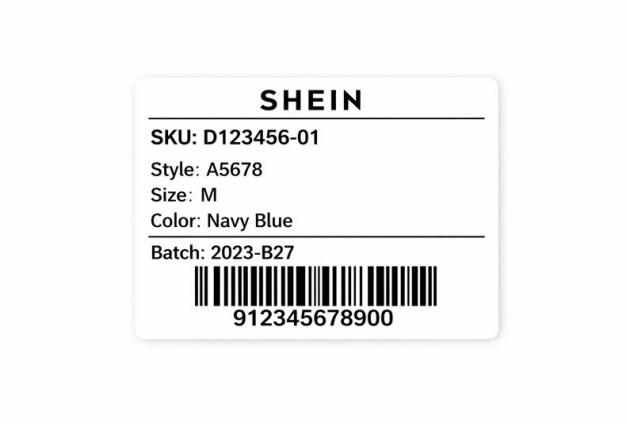
Because the label area is limited, print precision matters more than label size. Even minor blur can cause warehouse scanning failures.
Outer carton labels
For shipments sent to SHEIN consolidation or transit warehouses, outer carton labels must withstand:
- ✓ Long-distance cross-border transport
- ✓ Temperature variation
- ✓ Mechanical friction during sorting
A common seller mistake is using low-quality label paper. In cold-chain or high-heat environments, adhesive failure leads to labels peeling off—resulting in lost cartons and unresolved claims.
High-Quality Logistics Label Metrics for TikTok Shop & SHEIN
Experienced sellers do not choose printing equipment based on price alone. They evaluate it using three operational metrics.
DPI (203 vs 300)
For large shipping labels, 203 DPI is often sufficient. For compact SKU labels with dense barcodes, 300 DPI is the safety baseline. Higher resolution significantly reduces:
- Warehouse rejection rates
- Manual exception handling
- Costly re-labeling cycles
For sellers evaluating printer specifications, understanding when 203 DPI is sufficient—and when 300 DPI becomes necessary—is critical. This guide on choosing the right thermal printer resolution provides a practical breakdown for real-world fulfillment scenarios.
Speed & the 24–48h Dispatch Window
After a viral livestream, sellers often operate under a tight dispatch SLA—commonly within 24–48 hours (or within 2 business days, depending on market and program). Missing the window can hurt fulfillment metrics (e.g., late dispatch rate) and increase compliance risk.
At scale, the question becomes simple: How many labels can you print per minute without jams, reprints, or scan failures?
Printing speed directly determines your daily shipping ceiling.
System compatibility / ERP
Modern fulfillment is not manual. Your printer must integrate seamlessly with:
- TikTok Shop backend
- SHEIN seller systems
- ERP tools such as Dianxiaomi, Tongtu, or similar platforms
One-click batch printing is no longer a luxury—it is operational survival.
5-Minute Pre-Ship Label QA Checklist (TikTok Shop + SHEIN)
Use this checklist before handing parcels to a carrier or sending cartons to a warehouse. It prevents most scan failures, relabeling, and shipment delays during peak-volume days.
1) Print settings (30 seconds)
• Print at 100% scale (disable “Fit to page”)
• Confirm the correct label size (e.g., 4×6 shipping / small SKU)
2) Scan test (60 seconds)
• Scan 10 labels from the batch (first 2, middle 6, last 2)
• If any fail, re-check darkness/speed settings and reprint the batch
3) Placement check (60 seconds)
• Shipping labels: apply flat on one surface, no folds/wrinkles, barcode unobstructed
• Carton labels: avoid edges/seams/tape; place on a flat side panel
4) Data matching (60 seconds)
• Verify SKU mapping (Style/Size/Color) matches the pick list / shipment data
• Confirm tracking numbers match the correct order batch before upload
5) Durability quick test (60 seconds)
• Rub-test 3 labels and check adhesion on 1 carton (especially for cold/humid routes)
• If labels smear/peel, switch media or adjust printer settings
TikTok vs SHEIN Compliance Comparison
| Aspect | TikTok Shop | SHEIN |
|---|---|---|
| Self-Fulfillment Labels | Official TikTok Shop–generated shipping labels are required (format varies by market and shipping method, commonly 4×6). The label must be printed at 1:1 scale and applied flat and unobstructed so the barcode remains easily scannable. | Self-fulfillment is supported. Sellers only need to upload valid tracking numbers. |
| Brand & Product Labeling | Brand names must match registered trademarks exactly (case-sensitive). Incorrect branding may result in product freezes. | Detailed product labels required, including material composition, country of origin, and GPSR compliance for EU markets. |
| Primary Compliance Risk | Incorrect labels may lead to shipment failures or temporary product suspension. | Failed inspections or non-compliant labels may result in sales bans or product delisting. |
Key takeaway: TikTok Shop places greater emphasis on shipping label accuracy and logistics partner compliance, while SHEIN focuses more heavily on product-level labeling and regulatory conformity. Sellers operating on both platforms should avoid using a single, unified labeling workflow for all orders.
Why Many Cross-Border Sellers Choose HPRT
For high-volume cross-border sellers, a label printer isn’t just hardware—it’s a risk-control tool that protects scan pass rates, shipping SLA performance, and platform compliance during traffic spikes.
HPRT label printers are built for fast, repeatable batch workflows on platforms like TikTok Shop and SHEIN—where label accuracy, throughput, and system stability directly affect seller ratings and account health.
What HPRT Solves in Real Fulfillment Operations
High-speed batch printing during spikes to keep packing lines moving (ideal for livestream surges).
Consistent barcode clarity at scale to reduce scan failures and warehouse exceptions.
Fewer reprints and less label waste with stable paper positioning and error-control features.
Flexible media handling (gap/black mark/continuous) to switch between shipping, SKU, and carton labels quickly.
Cross-platform + ERP compatibility (TSPL/EPL) for one-click batch printing and fewer manual errors.
Built for daily, long-run use with maintenance-friendly design for extended print cycles.
Recommended Models for Common Workflows
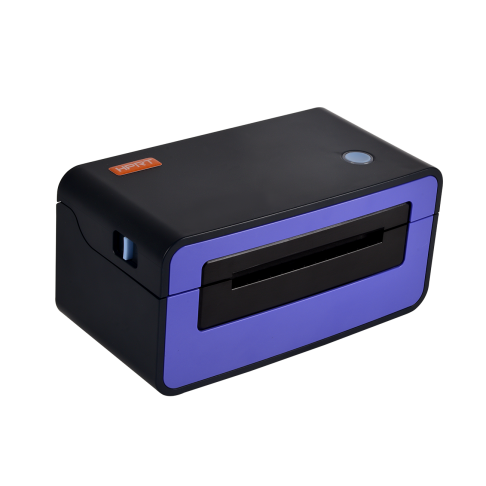
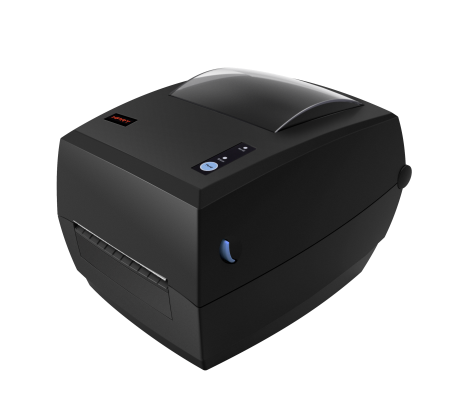
HPRT SL41 / SL42 (4-inch direct thermal) are proven choices for sellers running mixed shipping + SKU labeling at high volume—where scan success and batch stability are non-negotiable.
Conclusion: In Social Commerce, Logistics Is Your Seller Rating Lifeline
On platforms like TikTok Shop and SHEIN, great products create opportunities—but logistics determines who survives them. Traffic can surge overnight. Fulfillment cannot rely on improvisation.
A stable labeling workflow—and the right printing infrastructure—protects:
- ✓ On-time shipment rates
- ✓ Platform compliance scores
- ✓ Long-term account health
For serious cross-border sellers, a reliable HPRT printer is not just a tool. It is part of the technical foundation that keeps stores running smoothly—even on “10,000-order days.”
Ready to Optimize Your Fulfillment Workflow?
Explore HPRT’s dedicated printing solutions for cross-border e-commerce and receive a seller efficiency starter kit designed for TikTok Shop and SHEIN operations.
Contact an ExpertFrequently Asked Questions About Labeling & Fulfillment
1. Do TikTok Shop and SHEIN require different label formats?
Yes. TikTok Shop relies on platform-generated shipping labels, while SHEIN places heavier emphasis on product-level and regulatory labeling. Using a single workflow for both platforms often leads to compliance issues.
2. Is a thermal printer mandatory for TikTok Shop fulfillment?
While not explicitly mandatory, thermal printing is strongly recommended. Inkjet and laser labels are prone to smudging or fading during cross-border transport, which increases the risk of barcode scan failures.
3. Why does SHEIN reject labels even when the barcode is readable?
In many cases, rejections are caused by incomplete product information, incorrect material composition, or non-compliance with regional regulations such as EU GPSR—not just barcode clarity.
4. Can one printer handle both TikTok Shop and SHEIN orders?
Yes, as long as the printer supports high-resolution output, fast batch printing, and seamless integration with both platforms and ERP systems. Many sellers use the same device with different label settings.
5. How important is printing speed during livestream-driven sales spikes?
Extremely important. During viral events, sellers typically have a limited fulfillment window. Slow printing directly reduces daily shipping capacity and increases the risk of late shipment penalties.