

Thermal Inkjet (TIJ) and Thermal Transfer Overprinting (TTO) are two leading technologies for coding on flexible packaging.
TIJ vs TTO: Which Should You Choose?
Short answer:
TIJ (Thermal Inkjet)
Preferred for low-maintenance flexible applications with short text and reduced waste.
TTO (Thermal Transfer)
Better for film packaging, high-resolution barcodes, and stable integration.
Choosing the right technology directly impacts production uptime, cost per print, waste generation, and code reliability. This article compares TIJ vs TTO printing for flexible packaging coding, helping manufacturers choose the best coding technology for their production needs.
What Is Thermal Transfer Overprinting (TTO)?
Thermal Transfer Overprinting (TTO) is a contact coding technology that transfers ink from a ribbon onto flexible packaging using heat and pressure.
Thermal Transfer Overprinting Process:
The printhead's thermal elements selectively melt ribbon coating, bonding ink directly to the substrate surface for permanent adhesion. This near-edge printing mechanism delivers consistent 300 DPI output optimized for high-speed flexible film lines.
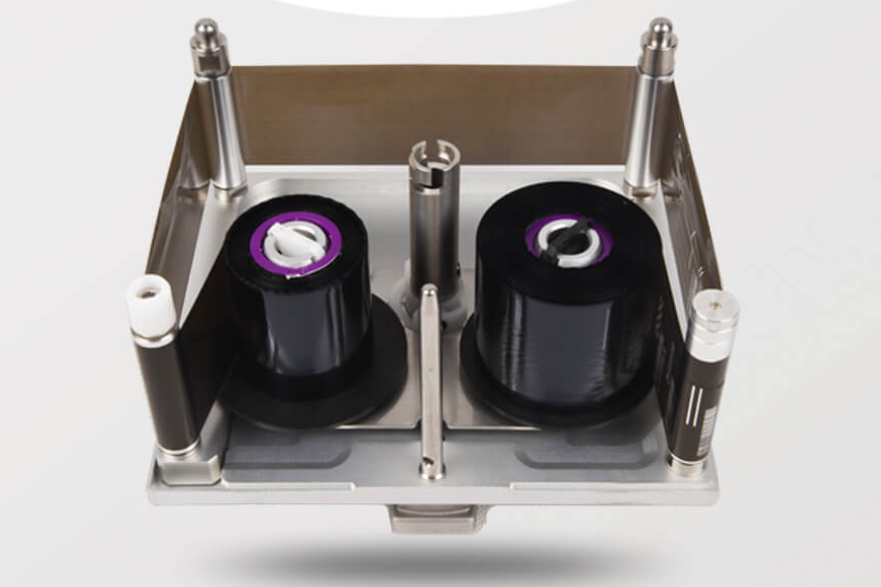
Thermal Transfer Overprinting (TTO) is a contact coding technology that transfers ink from a ribbon onto flexible packaging using heat and pressure.
Key Features:
Typical Applications:
Limitations:
- • Ribbon waste generation
- • Frequent consumable replacement
- • Mechanical wear (printhead, ribbon tension issues)
What Is Thermal Inkjet (TIJ) Printing?
Thermal Inkjet (TIJ) is a non-contact, cartridge-based printing technology that ejects ink droplets onto the substrate using thermal bubble formation.
Thermal Inkjet Printing Process:
A heating element rapidly vaporizes ink within the printhead cartridge, creating pressure that propels droplets through nozzles with micron-level precision. Modern TIJ 4.0 systems can achieve 1200 dpi resolution or even higher, ideal for printing variable data and 2D codes on diverse substrates.
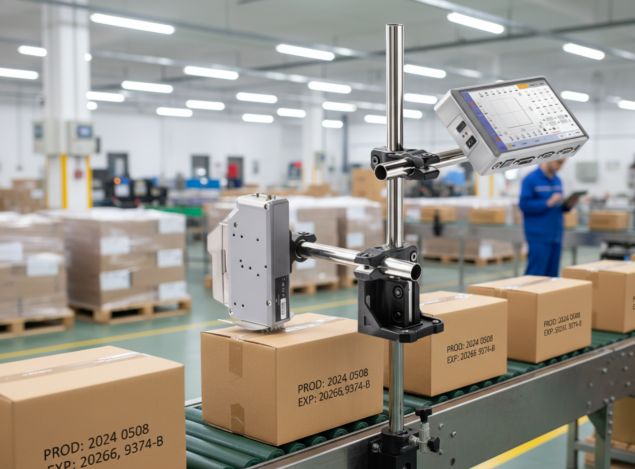
Key Features:
Typical Applications:
Limitations:
- • Ink compatibility depends on substrate (e.g., poor adhesion on high-oil/cold-chain films)
- • The printhead and ink cartridge feature an integrated design and are disposable consumables, resulting in a higher average cost when printing the same content.
- • Wide-format coding is limited, as mainstream technology primarily relies on a single 0.5-inch (12.7mm) printhead.
TIJ vs TTO: Key Differences in Flexible Packaging Coding
Choosing between TIJ and TTO printing is not about which technology is "better," but which fits your production conditions—including substrate, line speed, code type, and durability requirements.
Print Quality, Barcode Compliance, and Durability
For pharmaceutical and food manufacturers, code integrity is a regulatory mandate. While TIJ offers higher nominal resolution (1200 DPI), TTO often delivers superior barcode "grading" on flexible films due to its physical transfer method.
| Factor | TTO (Thermal Transfer) | TIJ (Thermal Inkjet) |
|---|---|---|
| Edge Sharpness | Square dots with clean edges; no bleeding | Circular droplets; prone to slight "feathering" |
| Max Code Density | Ultra-high (Ideal for micro GS1/DataMatrix) | High (Standard QR and batch data) |
| Readability Grade | Consistently A-grade (ISO 15415) | A/B-grade (Substrate dependent) |
| Film Durability | Extreme: Thermal bonding resists oil, moisture, and abrasion | Variable: Solvent-based adhesion; depends on ink-substrate pairing |
Expert Insight
TTO uses thermal bonding to fuse ink into the film, producing sharp, square dots with clean edges,ideal for GS1 DataMatrix, Code 128, and small-module barcode marking. And it creates a durable mark resistant to humidity, abrasion, and chemicals (e.g., alcohol), making it ideal for pharmaceutical and personal care packaging with long logistics cycles.
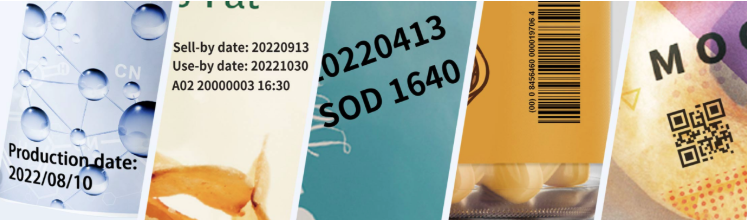
In contrast, TIJ uses liquid ink droplets to form codes. On non-porous films, slight spreading before drying can reduce edge sharpness in micro-text or dense codes. It performs well on cartons and treated films, but on flexible plastics, durability depends on ink and surface conditions, especially in oily or high-moisture environments.
Conclusion
Thermal transfer overprinting is the preferred choice for high-density barcode compliance and durable film coding, while TIJ printing is better suited for high-resolution variable data and flexible applications across mixed substrates.
Print Width and Content Capacity
TTO
TTO supports wider print areas (32 mm, 53 mm, up to 128 mm), making it ideal for large-format content such as ingredients, multi-line text, and barcodes on VFFS packaging lines.
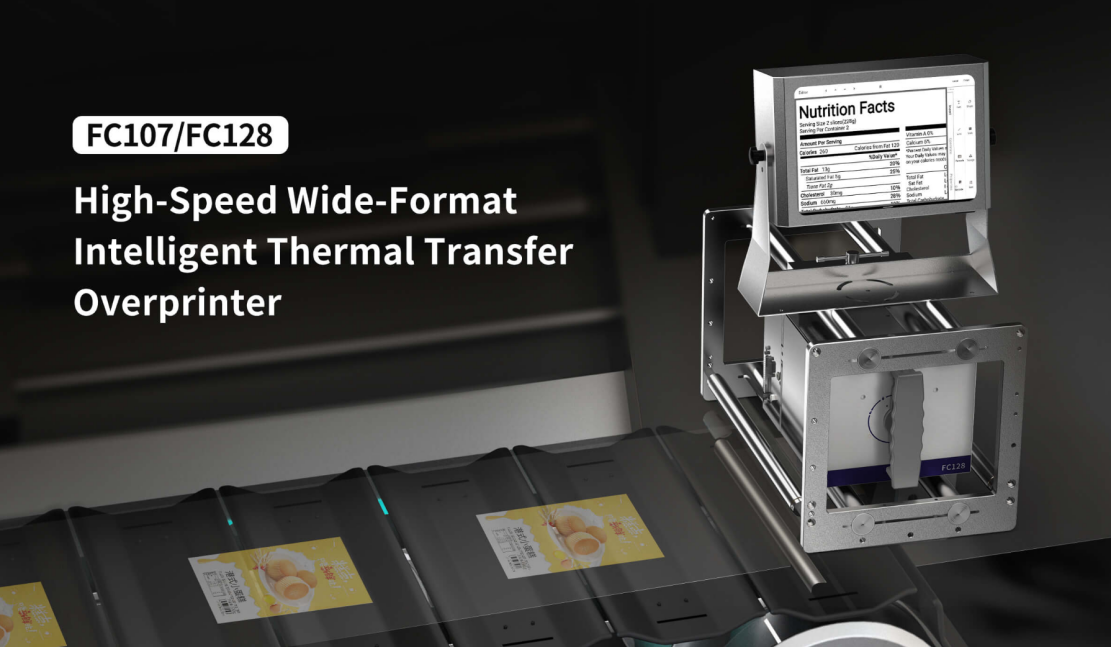
HPRT FC128:
HPRT’s latest FC128 high-speed wide-format Thermal Transfer Overprinter features a print width of up to 128 mm, perfect for large-area coding such as full ingredient lists, multi-line text, and complex barcode layouts.
TIJ
TIJ is modular (typically 12.7 mm per cartridge) and better suited for small-area coding, such as batch numbers, dates, and simple variable data. To print larger formats, multiple heads must be stitched together. This approach increases costs and brings unavoidable drawbacks: visible stitching lines and production downtime from replacing multiple cartridges.
Conclusion
TTO is more suitable for wide-format and complex coding, while TIJ fits compact, modular applications.
Cost and Consumables
The financial impact of each technology varies based on code complexity and production volume, particularly in terms of consumables and operational efficiency.
TIJ Cost Advantage
TIJ eliminates ribbon usage and simplifies inventory management. In low-density coding (1–2 lines), it can reduce operational cost, depending on usage and production setup.
TTO Cost Advantage
TTO requires ribbon consumables, but for high-coverage or continuous printing, cost per print can be stable and competitive.
In practice, total cost of ownership (TCO) should also consider initial equipment investment, maintenance, and production downtime, which vary by application and system configuration.
Conclusion
TIJ can reduce costs in simple, low-coverage applications, while TTO remains cost-effective in high-volume, continuous production environments.
Production Efficiency and Downtime
TIJ Efficiency
TIJ printing systems require minimal mechanical intervention and allow for fast cartridge replacement, reducing operator workload.
TTO Efficiency
Thermal transfer coding systems are engineered for continuous operation on packaging lines, and modern designs offer improved reliability and ribbon control, although consumable handling may require more attention.
Expert Insight
On non-porous films, TIJ prints require a short drying time. This must be considered in high-speed processes such as rewinders or form-fill-seal (FFS) lines to avoid smudging.
Conclusion
Thermal inkjet printing improves ease of use and flexibility, while TTO printing ensures stable integration and consistent performance in high-speed production lines. For flexible packaging coding, TTO remains the preferred solution for durable, compliant barcode printing.
TIJ vs TTO: At-a-Glance Comparison
| Factor | TTO Printing | TIJ Printing |
|---|---|---|
| Print Quality & Durability | High-precision coding with strong adhesion and high durability on films; meeting industry grading standards | High resolution (up to 1200 DPI); dependent on ink and substrate |
| Print Width | Wide print area (32-128mm); supports complex layouts and multi-line content | Narrow, modular (12.7 mm per cartridge); ideal for small codes and variable data |
| Cost & Consumables | Ribbon-based; stable cost in high-volume printing | Cartridge-based; lower cost in low-density applications |
| Production Efficiency | Stable for continuous, high-speed packaging lines | Easy operation with minimal maintenance and fast changeovers |
Practical Selection Guidance
Choose TIJ when prioritizing:
- 1 Low maintenance and ease of operation
- 2 Flexible production across multiple substrates
- 3 Short text or variable data printing
Choose TTO when prioritizing:
- 1 High-speed flexible packaging lines
- 2 High-quality barcode printing and maximum durability on flexible films
- 3 Stable integration with existing packaging equipment
- 4 Consistent performance under demanding production conditions
HPRT TTO Solutions for Flexible Packaging Coding
With increasing demands for traceability, compliance, and production efficiency, manufacturers require coding solutions that go beyond basic marking.
HPRT has developed a comprehensive portfolio of thermal transfer overprinting (TTO) systems fit for flexible packaging environments.
Top Thermal Transfer Overprinters for Flexible Packaging 2026
FC128 / FC107 Wide-Format TTO Printer
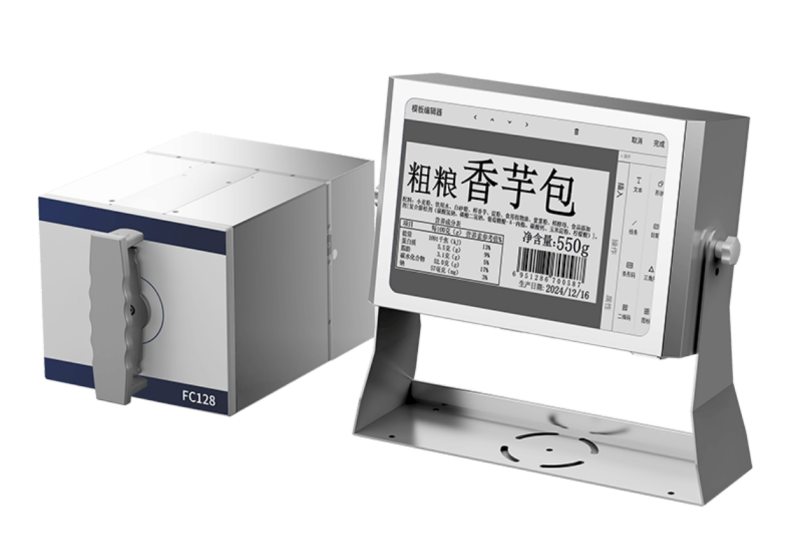
Best for: Wide-format coding on high-speed packaging lines, including ingredient lists, multi-line text, GS1 barcodes, and complex layouts on VFFS/HFFS systems.
FC53/32 Series Thermal Transfer Overprinter for Flexible Packaging
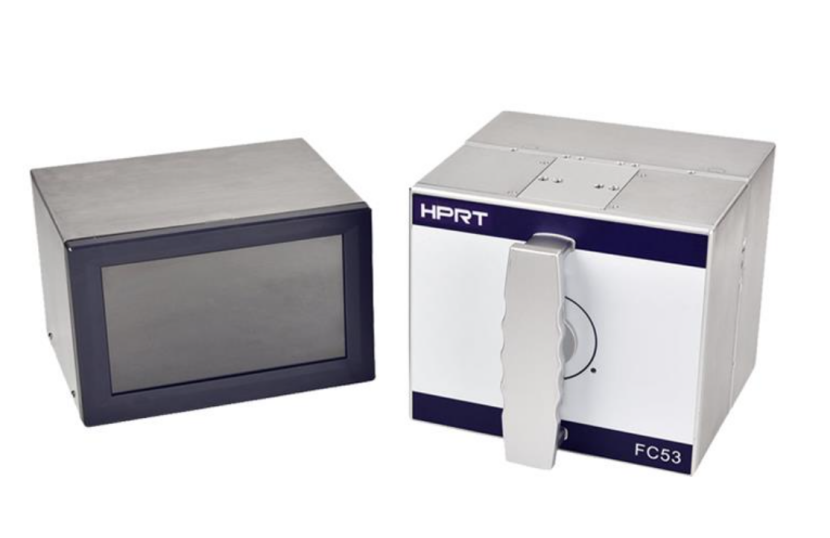
Best for: Medium-width coding applications requiring cost efficiency and stable performance, such as food packaging, pharmaceuticals, and FMCG variable data printing.
DC24E Compact Smart TTO Printer for Date Coding and Batch Printing
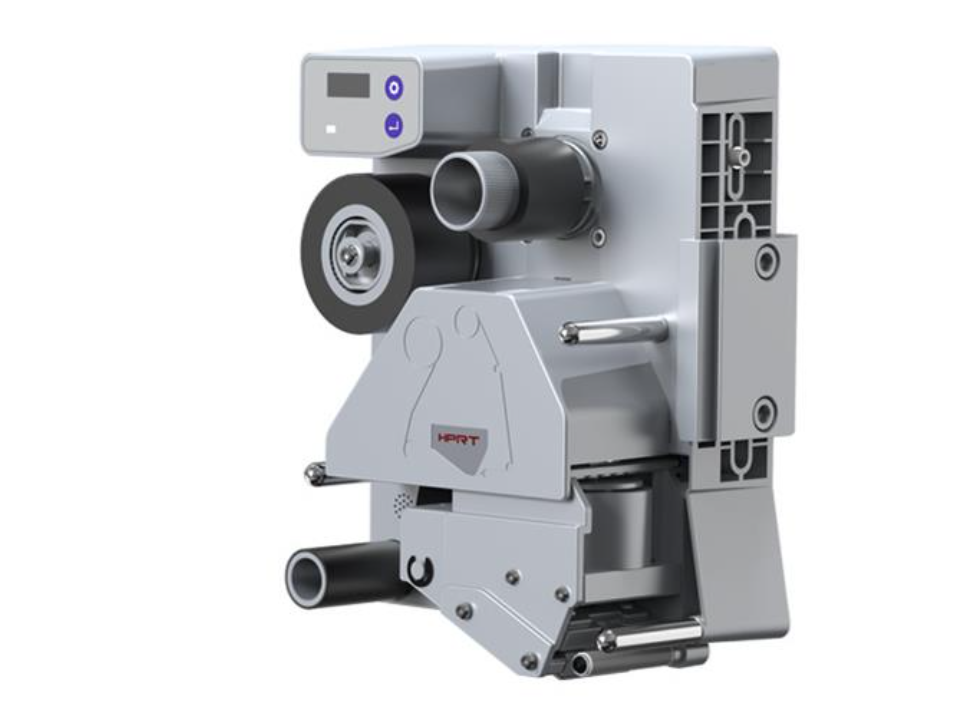
Best for: Compact coding tasks such as production dates, batch numbers, and simple barcodes, especially for intermittent packaging machines and entry-level TTO upgrades.
Proven Performance Across Key Industries
HPRT TTO printers are widely applied in:
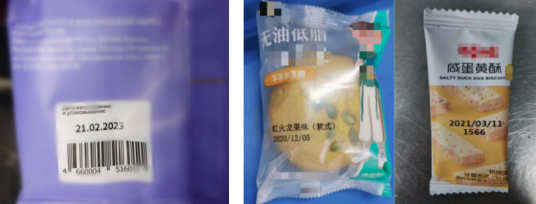
Watch HPRT TTO Printers in Action
Food and beverage packaging
Reliable printing of expiration dates, batch codes, and ingredient information on high-speed film lines
Pharmaceutical and healthcare
High-density GS1 DataMatrix and UDI codes with consistent grading for regulatory compliance
Personal care and cosmetics
Durable coding on flexible films exposed to handling, moisture, and chemical contact
FMCG and industrial packaging
Multi-line content, logos, and traceability codes across diverse packaging formats
Engineered for High-Speed Flexible Packaging
Our TTO systems are ideal for continuous packaging operations, including:
Key capabilities include:
This ensures seamless integration into existing production lines with minimal disruption.
For manufacturers prioritizing barcode compliance, durability, and high-speed production stability, HPRT thermal transfer overprinters provide a dependable and scalable solution.
FAQ: TIJ vs TTO Printing
What is the main difference between TIJ and TTO printing?
TIJ is a non-contact inkjet technology that offers high resolution and flexibility across materials.
TTO is a contact thermal transfer technology designed for flexible films, delivering stronger adhesion and more consistent barcode quality.
Which is better for flexible packaging: TIJ or TTO?
It depends on the application.
● TTO is preferred for flexible films requiring durable, high-quality barcodes and stable high-speed performance.
● TIJ is better for simple coding, mixed substrates, and lower maintenance needs.
Which technology provides better barcode quality and compliance?
TTO generally provides more consistent barcode grading (e.g., ISO 15415) on flexible films, especially for GS1 DataMatrix and high-density codes.
TIJ performs well for standard codes but depends more on ink and substrate compatibility.
Can TIJ replace TTO in flexible packaging applications?
Not entirely. TIJ can replace TTO in simple coding applications, but for film packaging coding, durable marking, and barcode compliance, TTO remains the industry standard.