

How to Label Warehouse Racking: Numbering System, Rack Labels, and Best Practices
This guide explains how to design and implement an effective warehouse labeling system, covering:
- Warehouse numbering logic and location codes
- Rack label types and material selection
- Step-by-step racking labeling execution
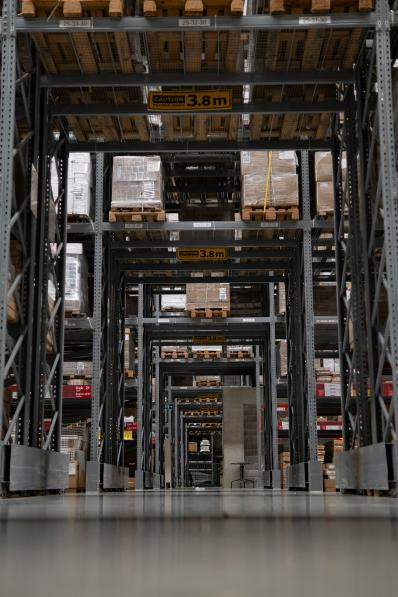
The Importance of a Structured Warehouse Racking Labeling System
A modern warehouse runs on precision. Without a clear, consistent warehouse racking labeling system, even the most advanced WMS cannot prevent inventory errors, mis-picks, or workflow delays.
The Cost of Errors
Industry observations indicate that a single picking error can cost $20 to $60, factoring in labor, rework, and reshipment. In high-volume operations, these small mistakes quickly accumulate into substantial annual losses.
WMS and Automation Readiness
A structured labeling system enables:
- ● Accurate location mapping within a Warehouse Management System (WMS)
- ● Reliable scanning and traceability through standardized bin and shelf labels
- ● Integration with AGVs, AMRs, and future automation tools
- ● Faster onboarding of new operators
Racking Labeling Standards & Regulatory Requirements
Effective racking identification isn’t just best practice—it is required by safety frameworks such as OSHA (U.S.) and EN 15635 (EU).
These standards call for clear rack identification, visible load-capacity labels, and hazard warnings to prevent overloading and accidents.
Designing Your Warehouse Racking System
A high-performance warehouse begins with a clear, scalable coordinate logic—effectively your facility’s internal GPS system.
A well-designed warehouse racking system ensures that every shelf, bin, and pallet position can be identified instantly by both operators and your WMS, reducing confusion, search time, and picking errors.
The Location Hierarchy: Zone > Aisle > Bay > Level > Position
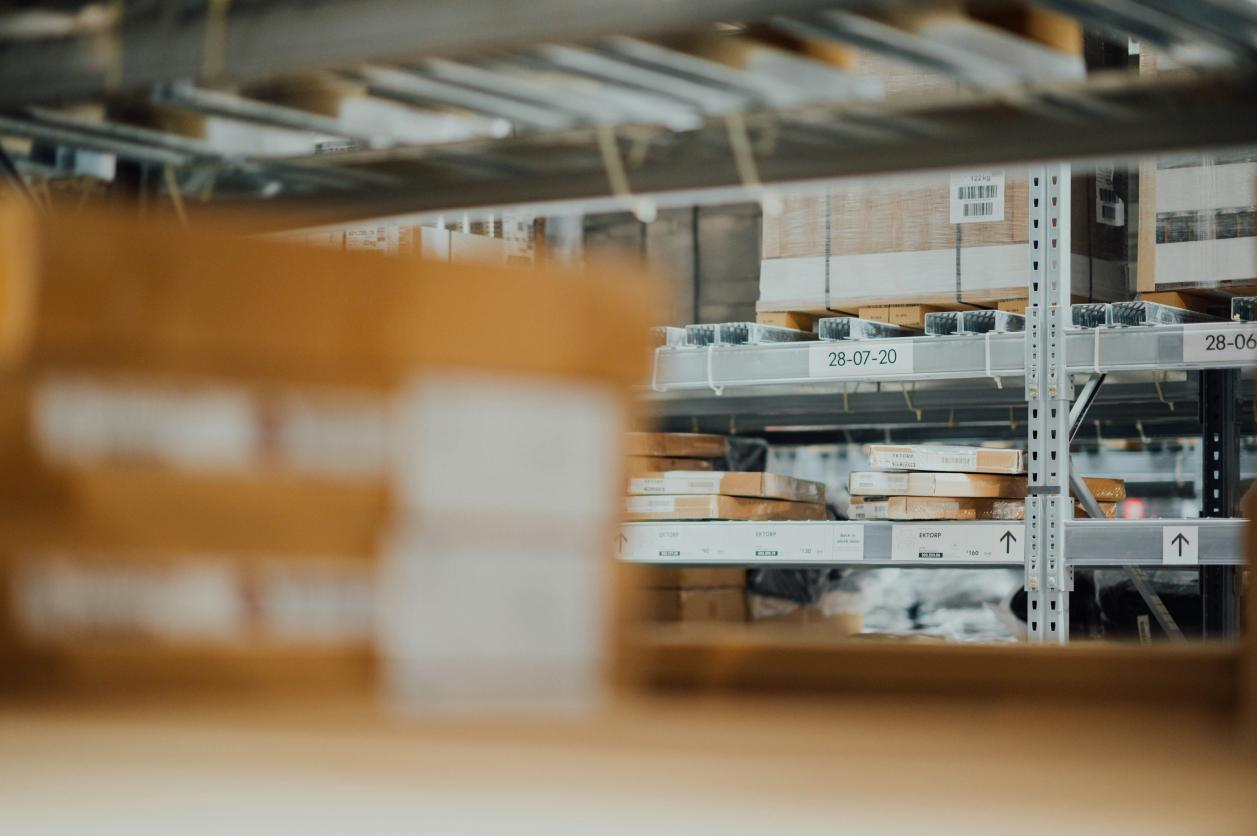
图:Warehouse-numbering-system
The most widely adopted warehouse numbering system follows a hierarchical structure that moves from macro to micro. This logic mirrors how people naturally navigate space and how WMS databases index locations.
- ● Zone – Physical section of the warehouse (e.g., Ambient, Cold Storage, Returns)
- ● Aisle – Main travel corridor between racks
- ● Bay – Individual rack segment between uprights
- ● Level – Vertical storage layer, typically numbered bottom-up
- ● Position – Specific slot or bin location
This structure balances human readability with machine logic, making it easy for operators to interpret while remaining fully compatible with WMS location indexing, barcode scanning, and automation systems.
Make the Numbering Sequential and Operator-Intuitive
An effective racking identification system must be logical at a glance. Sequential numbering using a clear combination of letters and numbers helps reduce transposition errors and mental load for operators working at speed.
Best practices include:
- • Use numbers and letters intentionally, not arbitrarily
- • Keep numbering direction consistent within each aisle
- • Avoid visual ambiguity (for example, colors alone should never define sequence)
- • Ensure labels are easy to see and read in fast-paced environments
The goal is simple: a picker should understand the location logic without training or guesswork.
Standard vs. Serpentine Numbering
Two primary approaches are used when assigning rack coordinates:
Standard Numbering
- • Bays numbered sequentially left-to-right
- • Easy to understand
- • Suitable for smaller or low-traffic facilities
Serpentine Numbering (Highly Recommended)
- • Row 1: left → right
- • Row 2: right → left
- • Alternates in a snake-like pattern
This approach aligns location codes with real-world pick paths, minimizing forklift travel distance, reducing backtracking, and improving overall picking efficiency.
Pro Tip: Serpentine numbering can significantly reduce travel distance in many medium-size warehouses, especially in high-frequency picking zones.
Types of Warehouse Rack Labels & Materials
Choosing the right warehouse rack labels and materials directly affects durability, scan reliability, and long-term maintenance cost.
Rack height, traffic volume, environmental conditions, and how often locations change all influence which label type performs best. In practice, most warehouses rely on a mix of label formats rather than a single solution.
Adhesive vs. Magnetic Warehouse Rack Labels
Adhesive Rack Labels
Adhesive labels are widely used for fixed warehouse racking labeling. Once applied, they stay in place and require little attention.
Best use cases:
- • Permanent pick locations
- • High-traffic shelving
- • Long-term bin and shelf identification
When paired with synthetic materials such as polyester (PET) or vinyl, adhesive labels hold up well against abrasion, moisture, and routine cleaning.
Magnetic Rack Labels
Magnetic labels serve a different purpose. They are designed for areas that change frequently.
Best use cases:
- • Seasonal inventory zones
- • Temporary overflow storage
- • Warehouses that regularly adjust their warehouse numbering system
Because they can be repositioned without leaving residue, magnetic labels are often preferred during layout changes or expansion phases.
Retro-Reflective Labels for High-Bay Racking
As rack height increases, standard barcode labels become harder to scan. In facilities with racking above 15–20 feet, scanners often struggle to read labels from ground level.
Retro-reflective rack labels address this limitation by reflecting scanner light back to the device. This allows forklift operators to scan locations without lifting or repositioning equipment.
They are commonly used in:
- • High-bay warehouses
- • Forklift-based picking operations
- • Facilities preparing for automation or long-range scanning
Cold Storage and Freezer-Grade Labels
Cold environments place stress on both label materials and adhesives. In freezers, standard adhesives can harden and lose their grip over time.
For these conditions, warehouses typically use cold storage warehouse rack labels with:
- • Freeze-grade adhesives
- • Synthetic facestocks such as PET or polypropylene
- • Resistance to moisture and condensation
In extreme conditions, mechanically mounted placards are sometimes chosen to avoid adhesive failure altogether.
Floor Labels, Hanging Signs, and Aisle Markers
Not every storage location sits on a rack beam. Floor labels and hanging signs play an important role in navigation and bulk storage areas.
They are often used in:
- • Pallet-in / pallet-out zones
- • Cross-docking and staging areas
- • Wide aisles that require clear visual guidance
These elements complete the physical warehouse racking identification system beyond shelves alone.
Paper vs. Synthetic Rack Label Materials
Paper labels are sometimes used for short-term needs, but they degrade quickly in industrial environments.
Synthetic materials—such as polyester and polypropylene—offer:
- • Longer service life
- • More consistent barcode readability
- • Better resistance to abrasion and chemicals
Over time, synthetic labels usually reduce relabeling effort and maintenance costs.
Paper vs. Synthetic Rack Label Materials
| Label Material | Best Use Case | Durability | Cost Level |
|---|---|---|---|
| Paper | Temporary / Carton Labels | Low (Fades easily) | Low |
| Polyester (PET) | Permanent Rack Labels | High (Tear-proof) | Medium |
| Vinyl | Outdoor / Chemical Areas | Extreme (UV Resistant) | High |
| Retro-Reflective | High-Bay Racking | Extreme (Long-range Scan) | Highest |
How to Label a Warehouse Rack (5-Step Execution Plan)
Step 1 — Map & Prepare the Racking Layout
Before printing any labels, confirm that the physical racking layout matches the planned location structure.
- Verify aisles, bays, levels, and positions on-site
- Resolve discrepancies between drawings, WMS data, and actual rack installation
Proper surface preparation is essential for long-term label performance.
- Clean rack beams to remove dust, oil residue, rust, and condensation
Step 2 — Build the Warehouse Location Master List (WMS Export or Excel)
Once the location logic is defined, generate a complete location master list covering all zones, aisles, bays, levels, and positions. Clear inventory location coding reduces transcription errors and improves scanning accuracy during picking.
In mature operations, this list is typically created in the WMS or ERP and exported for label printing. During new site setup or reconfiguration, Excel is commonly used to build or refine the list—often based on WMS data.
Step 3 — Print Rack Labels with the Right Printer
For common warehouse rack labels and bin location labels made from polyester (PET) materials or designed for cold-storage environments, standard office printers are not suitable and often fail to deliver durable, scannable results.
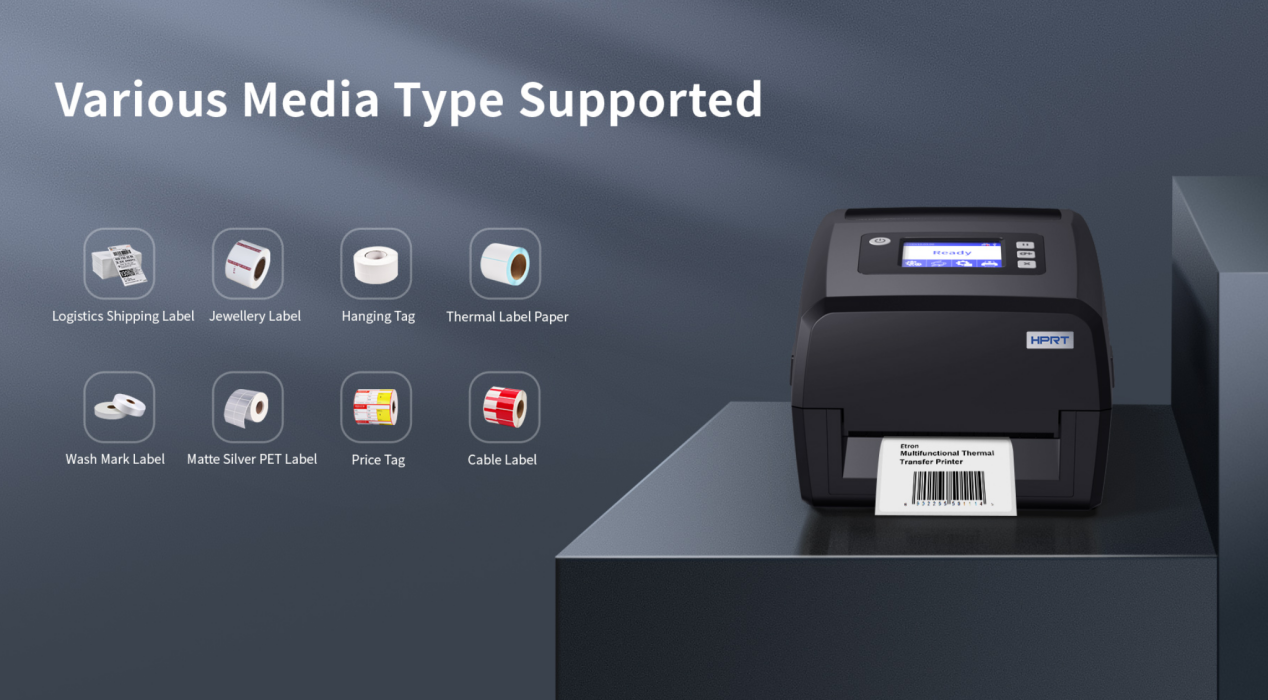
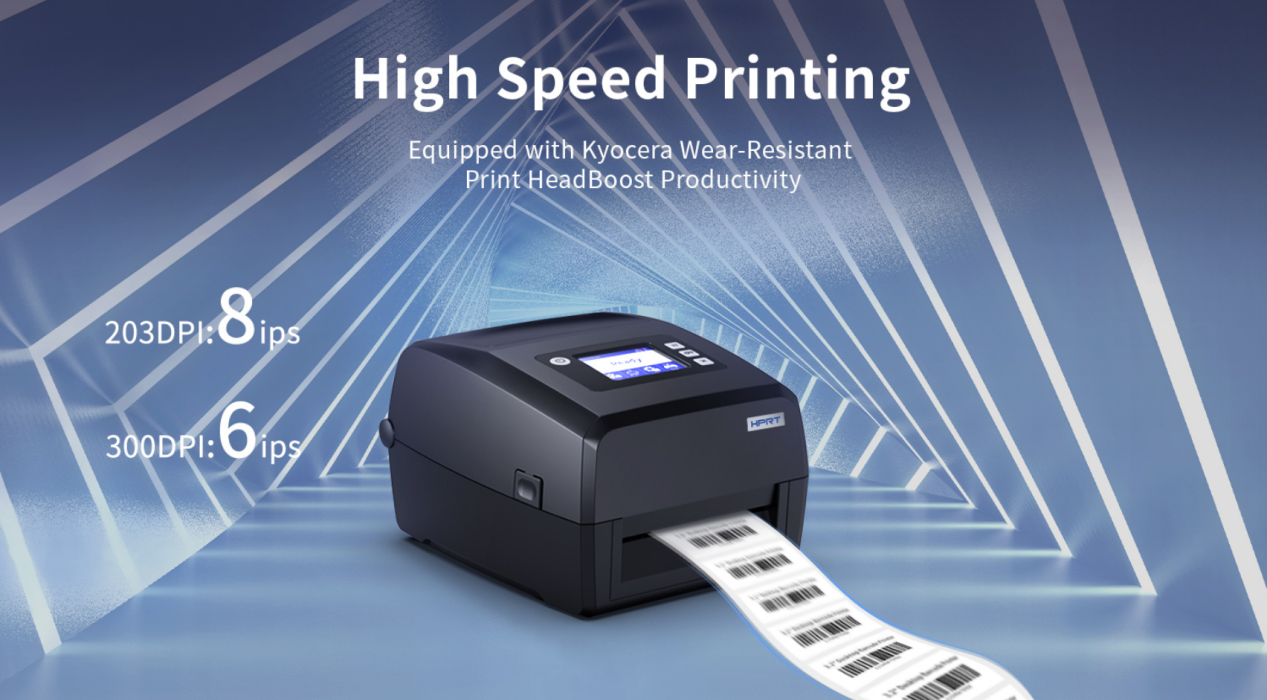
The Hanin (HPRT) Apollo Series thermal transfer printers are well suited for warehouse racking labeling due to their print precision, material compatibility, and ability to handle high-volume output.
This 4-inch rack label printer offers:
- • 300 dpi high-precision barcode printing for reliable long-distance scanning
- • Industrial-grade printhead and dual-layer metal housing for enhanced durability and long-term operation
- • High-volume continuous printing suited for large warehouse labeling projects
- • Supports PET, vinyl, and freezer-grade label materials
- • 2.4-inch color LCD touch screen for intuitive configuration and efficient operation
- • Multiple interface options (USB / LAN, etc.) for easy integration with WMS, ERP, and local systems
- • A feature-rich, easy-to-use label design software for fast template creation, editing and variable data printing
The Apollo Series produces clear, consistent rack, shelf, and bin location labels, and also supports floor labels and aisle signage. It fits well in logistics centers, distribution facilities, and manufacturing warehouses.
You may also like:
After selecting the printer, confirm that label materials, templates, and print settings match the operating environment, including rack height, temperature conditions, and required scanning distance.
Before printing, align location codes with WMS fields and label templates. Depending on the warehouse system setup, the barcode label printer can connect directly to the WMS/ERP or use Excel-based data for batch printing of rack and bin location labels.
Step 4 — Apply Labels Systematically
Consistency during application is critical for scanning efficiency.
- Place labels at a uniform height across each aisle
- Keep positioning consistent (left-aligned or centered on beams)
- Ensure barcode orientation matches scanner angles and forklift approach paths
This reduces hesitation, mis-scans, and operator fatigue.
Step 5 — WMS Validation (Test Scan)
After installation, perform a full validation before going live.
- Scan each rack location
- Confirm correct mapping in the WMS
- Resolve mismatches immediately
Skipping this validation step is a common source of hidden errors that surface after go-live.
Warehouse Racking Labeling FAQs
Q1: How do you create a warehouse location numbering system?
Start with a hierarchical structure: Zone-Aisle-Bay-Level-Position. Ensure scalability and consistency across the facility.
Q2: Are rack capacity labels required by OSHA?
Yes. OSHA requires clear display of maximum load capacities to ensure safe operation and prevent rack failure.
Q3: What is the best label material for cold storage?
Use freeze-grade adhesive PET labels designed for low temperatures. Standard labels will lose adhesion.
Q4: How high should rack labels be placed?
Eye-level for ground-level picking; retro-reflective labels for high-bay racks scanned from forklifts.
Key Takeaways
A well-designed warehouse racking labeling system forms the foundation of inventory accuracy. With structured numbering, durable materials, and the right printing technology, warehouses can eliminate picking errors.
Don’t let unclear labels become the weak link in your supply chain. Contact us to learn more about Hanin thermal transfer printers or to get a solution tailored to your specific warehouse rack label needs.
Contact us